

|
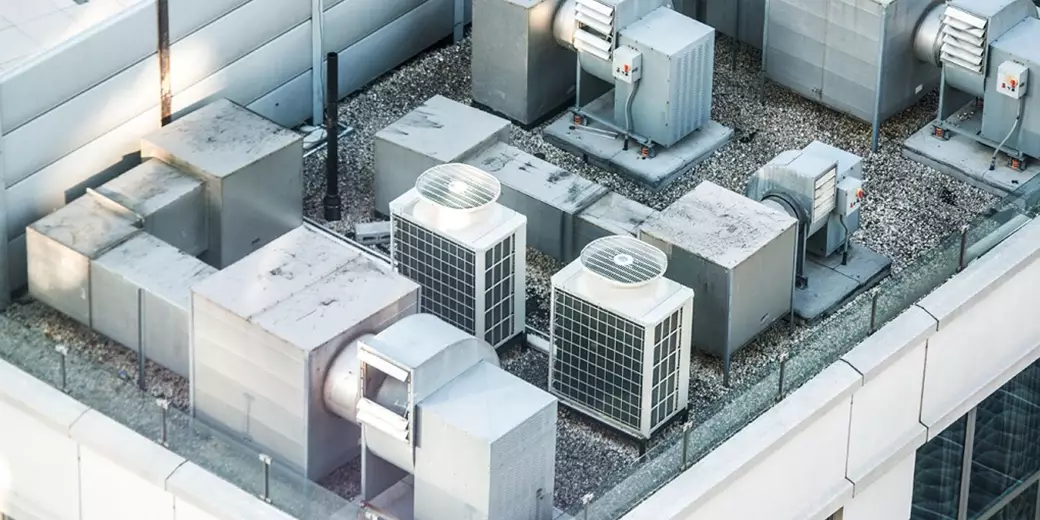
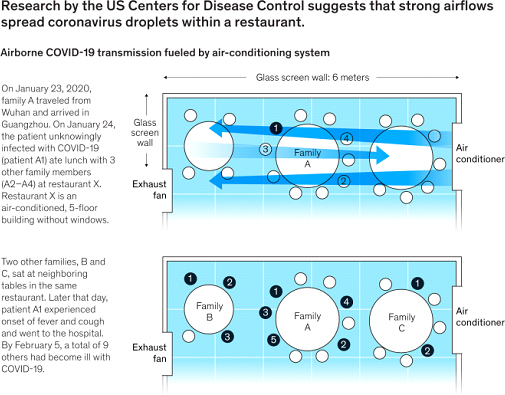
Although much remains unknown about COVID-19, scientists have established that the coronavirus is highly contagious and can be transmitted through the air. Studies suggest that it primarily spreads when infected individuals cough, sneeze, or talk—actions that expel respiratory droplets containing virus particles combined with mucus or saliva. If these droplets land on or are inhaled by others nearby, transmission may occur. Since air is a major medium for the spread of COVID-19, how does this impact HVAC systems?
The SARS-CoV-2 virus has not been proven to grow on evaporator coils, in drain pans, or on duct surfaces. However, other biological contaminants (e.g., fungi, mold, and bacteria) can develop in poorly maintained HVAC systems. If your home or business environment is virus-free, it should remain so with proper precautions. Additionally, a well-maintained HVAC system with effective air filtration can help maintain a healthy indoor environment.
Much is still unknown about how coronavirus particle size affects transmission. Tiny virus particles, approximately 0.1 microns in size, can become airborne and travel longer distances, while larger droplets(around 5 to 10 microns) typically travel less than one meter before settling. Smaller droplets may also evaporate, leaving behind aerosolized particles that remain suspended in the air. Studies have shown that these particles may remain active for up to three hours after being released. Airborne transmission is more likely in indoor environments, especially where people spend extended periods in crowded or poorly ventilated spaces.
Control Setting Changes and HVAC System Upgrades
A research study conducted in 2004 on SARS (Severe Acute Respiratory Syndrome) concluded that HVAC systems could potentially contribute to the spread of viruses within enclosed spaces occupied by infected individuals. If airborne transmission is also significant for COVID-19, certain control-setting changes and system upgrades may help reduce this risk. Implementing such measures can also improve occupant confidence during uncertain times.
One effective step is to configure ducted HVAC systems to increase the rate of fresh outdoor air intake, thereby reducing air recirculation within the building.
In buildings with older or less flexible systems, upgrading HVAC equipment may be necessary. Key improvements include:
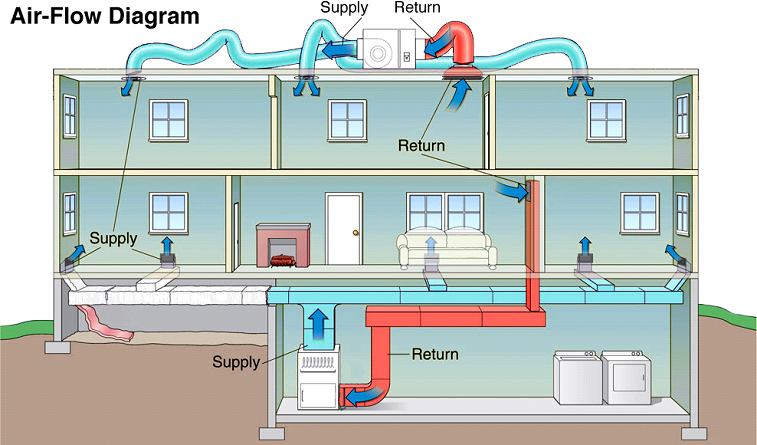
Figure 1. HVAC ducted airflow diagram.
Filtration is typically the most effective method for improving indoor air quality in HVAC systems (see Figure 2). Other technologies, including irradiation and thermal sterilization, inactivate biological particles in the air rather than removing them. HVAC systems may also incorporate ionic purifiers, ozone generators, and other air-cleaning devices.
Filters in residential and commercial HVAC systems are usually installed at air inlets, air outlets, or within the central air-handling unit. Since the outdoor air entering an HVAC system may be contaminated, technicians often install a pre-filter to treat incoming air before it reaches the main filtration system.
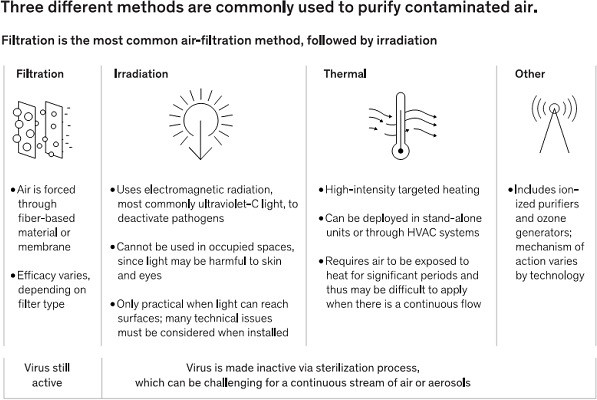
Mechanical filters in HVAC systems consist of a network of intertwined fibers that capture particles too large to pass through their openings. Figure 3 illustrates selected filters along with their ratings, as established by organizations based in the United States.
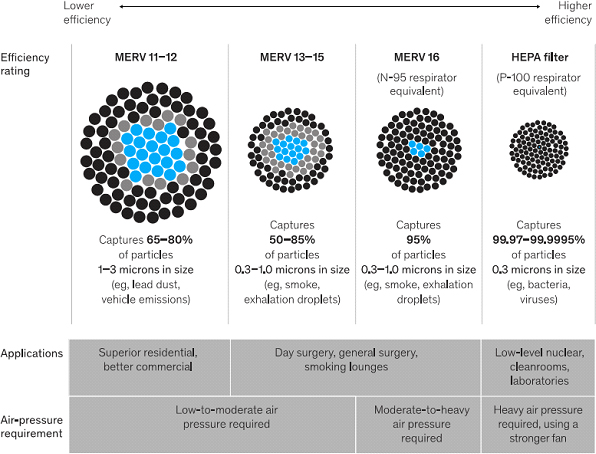
Figure-3 Filter standard air purification
Filters designed for high-efficiency performance must remove at least 99.97% of particles measuring 0.3 microns in size. Minimum Efficiency Reporting Value (MERV) ratings classify filters based on their ability to capture particles ranging from 0.3 to 10 microns.
Filters with MERV ratings of 17 or higher are comparable to HEPA (High-Efficiency Particulate Air) filters and are often categorized as such. In contrast, most residential air-conditioning systems and many commercial buildings typically use filters rated MERV 12 or lower.
Only certain HVAC systems are capable of accommodating HEPA filters, and these systems must be properly designed, installed, and maintained. Regular replacement is essential to ensure optimal performance. In addition to filtration, various devices and techniques are available to help mitigate airborne contaminants, including viruses such as SARS-CoV-2.
Ultraviolet-C (UVC) radiation is a well-established disinfection technology used for air, water, and non-porous surface treatment. UVC systems have been utilized for decades to help reduce the spread of microorganisms, including bacteria such as tuberculosis. Due to their disinfecting properties, UVC lamps are commonly referred to as germicidal lamps.
Research has shown that UVC radiation can disrupt and inactivate certain viruses and microorganisms by damaging their molecular structure, preventing replication and reducing their ability to spread.
UVC technology is widely integrated into HVAC systems to improve indoor air quality by reducing airborne contaminants and supporting cleaner air circulation within occupied spaces.
Applications of UVC in HVAC systems include:
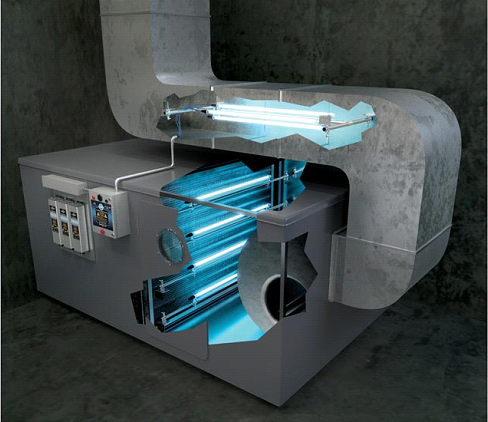
Figure 4 illustrates the application of UV lights within HVAC equipment and duct systems.
UVC Radiation Considerations and Limitations
While UVC radiation can be an effective disinfection technology, its performance depends on several factors that influence its ability to inactivate viruses and other microorganisms.
Key Considerations
Direct Exposure
UVC radiation is effective only when microorganisms are directly exposed to the UV light source. Its effectiveness on surfaces may be reduced if dust, debris, or other contaminants create barriers that block UV exposure.
Dose and Exposure Time
The effectiveness of UVC systems depends on delivering an adequate radiation dose over a sufficient exposure period. Lower-output UVC systems may require longer exposure times to achieve the desired level of microbial reduction.
Application and Safety
UVC radiation is commonly integrated into HVAC systems and air duct applications for air disinfection. Duct-mounted installations provide a controlled environment that helps reduce direct exposure risks while supporting improved
indoor air quality.
Because direct exposure to UVC radiation may cause injury to the skin and eyes, proper system design, installation, and safety measures are essential when implementing UVC technology.
UV Lights, Lamps & Bipolar Air Treatment Systems
UV lights and lamps are supplemental technologies integrated into HVAC systems to enhance indoor air quality and support system performance. These systems are commonly used in commercial, healthcare, pharmaceutical, and specialized industrial facilities where air quality and system hygiene are important considerations.
The application of UV-C technology within HVAC systems can provide several operational and performance benefits, including:
Benefits of UV-C in HVAC Systems
Reduced HVAC energy consumption and operating costs
Improved heat transfer efficiency through cleaner coil surfaces
Reduced maintenance requirements and system downtime
Lower cleaning and service efforts compared to traditional methods
Improved indoor air quality and occupant comfort
Potential reduction in overall carbon footprint
Increased occupant satisfaction and productivity
Studies and applications have shown that UV-C systems may contribute to approximately 10–25% HVAC energy savings, depending on system configuration, operating conditions, and application requirements.
Bipolar Air Treatment Control
Bipolar ionization is an HVAC air treatment technology designed to support indoor air quality improvement by reducing airborne particles and contaminants. The system generates charged ions from oxygen molecules in the air, which interact with airborne particles.
These ions can assist in:
Reducing airborne particulate matter
Supporting the reduction of certain pathogens and microorganisms
Reducing allergens and mold particles
Improving overall indoor air quality
Bipolar ionization systems are commonly used as supplemental air treatment solutions in commercial and specialized HVAC applications.
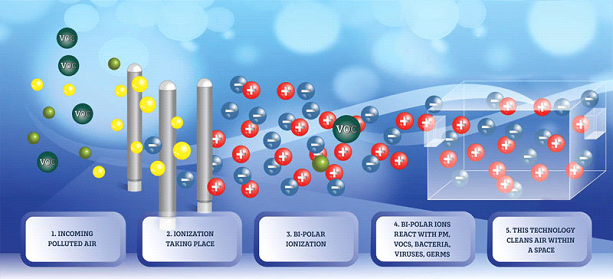
Figure-5 Bipolar air Treatment Diagram
When charged ions attach to airborne particles, the particles can combine into larger clusters through a process known as agglomeration. Larger particles are generally easier for HVAC filtration systems to capture and remove from the air.
This process can assist in reducing airborne particles such as dust, allergens, and respiratory droplets that may carry contaminants. The ionization process can operate continuously or be controlled through Building Automation Systems (BAS) based on specific operating schedules and project requirements.
The result is improved air treatment performance and enhanced indoor air quality, helping create cleaner and more comfortable indoor environments.
Bipolar Ionization Applications
Bipolar ionization systems can be integrated into a wide range of facilities and HVAC applications. They are commonly used in larger buildings and high-occupancy environments where maintaining indoor air quality can be more challenging.
Typical applications include:
Distribution Centers
Educational Facilities and Schools
Hotels and Hospitality Buildings
Commercial Offices
Healthcare Facilities
Industrial and Manufacturing Facilities
These systems help support indoor air quality by assisting in the reduction of airborne particles, allergens, and other contaminants within occupied spaces.
Ozone Air Treatment Control
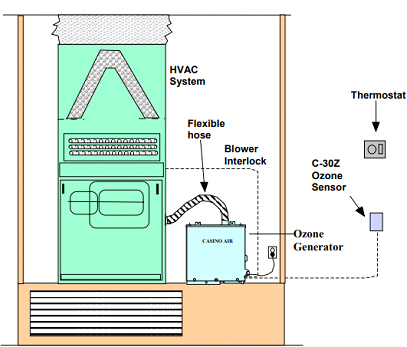
Ozone technology has been used for decades in applications such as water treatment, where it helps address pathogens, minerals, volatile organic compounds (VOCs), and other impurities. More recently, ozone-based technologies have also been introduced into selected HVAC and air treatment applications.
Figure 6 illustrates an Ozone Air Treatment System Diagram.
The oxidizing properties of ozone can make it a complementary treatment method in certain industrial and specialized applications. Potential benefits may include:
Support for disinfection and odor control processes
Reduction of certain airborne contaminants
Improved operational efficiency in specific applications
Reduced maintenance requirements in selected systems
Because ozone concentrations must be carefully controlled, system design and application requirements should be evaluated to ensure safety and compliance with applicable standards.
Application Areas
Ozone technology is used across various industries, including:
Drinking Water Treatment and Disinfection
Swimming Pool Water Treatment
Food and Beverage Processing
Offshore and Mining Industries
Industrial Process Applications
Healthcare Facilities
Specialized Air Treatment Systems
Indoor airflow patterns play an important role in maintaining indoor air quality and reducing the movement of airborne contaminants within occupied spaces. Proper airflow design and ventilation strategies can help improve occupant comfort and support healthier indoor environments.
Three key principles are commonly considered when designing effective airflow systems:
Key Airflow Design Principles
Promote vertical laminar airflow where appropriate instead of highly turbulent airflow patterns Maintain appropriate airflow velocity and air distribution throughout occupied spaces Direct potentially contaminated air away from occupants and toward exhaust or filtration systems
Figure 7 illustrates an Airflow Control Diagram.
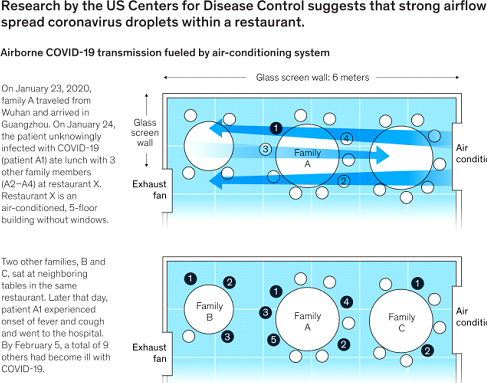
In-room airflows
The movement and direction of air within a room can significantly influence how airborne particles are distributed. Poor airflow patterns may create zones where contaminants accumulate or circulate within occupied areas.
Creating laminar airflow patterns—where air moves in a consistent direction at relatively uniform speed—can help improve airflow control and reduce unwanted particle circulation.
This design approach is commonly used in environments requiring strict contamination control, including:
Cleanrooms
Hospital operating rooms
Healthcare facilities
Laboratories
Aircraft cabin ventilation systems
In these applications, air is often directed vertically from ceiling to floor to support efficient contaminant removal and controlled air movement.
Figure 8 illustrates Laminar and Turbulent Airflow Patterns.
Inter-Room Airflow Control
Managing airflow between rooms can help minimize the transfer of airborne contaminants from one area to another. Understanding how air moves throughout a building is an important step before modifying or upgrading HVAC systems.
HVAC evaluations may include:
Airflow and pressure testing
Building pressurization analysis
Leakage and infiltration assessments
Blower-door testing where applicable
Potential solutions for improving inter-room airflow control may include:
Installation of doors or air curtains
Pressurization strategies for specific areas
Sealing gaps and leakage points
HVAC system upgrades and airflow balancing improvements
These measures can help improve indoor air management, reduce uncontrolled air movement, and enhance
overall system performance.
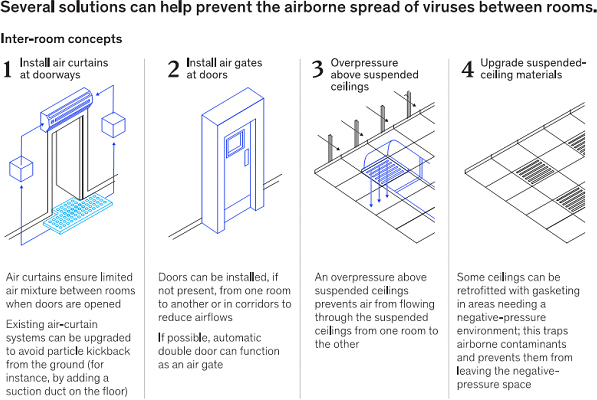
Figure-9 Server solution for prevent spread of viruses.
In certain work environments, maintaining physical separation between occupants can be challenging. In such cases, localized airflow and ventilation strategies can help support indoor air quality and reduce exposure to airborne contaminants within occupied spaces.
Potential solutions for individual workspace protection may include:
Localized airflow control systems
Ventilation hoods and capture systems
Airflow management devices for workstations
Supplemental filtration and air treatment solutions
Customized ventilation strategies for specific applications
These approaches can be incorporated into overall HVAC design to improve air distribution and support healthier indoor environments in workplaces with higher occupancy or close-contact activities.
HVAC System Maintenance
Regular HVAC maintenance is essential for maintaining system performance, indoor air quality, and overall operational efficiency. Dust, airborne contaminants, and other particles can accumulate within HVAC components over time, potentially affecting system effectiveness.
Recommended maintenance practices include:
Routine inspection of HVAC equipment
Regular filter replacement and cleaning
Cleaning of ducts, coils, and air handling components
Inspection of air treatment and ventilation systems
Scheduled preventive maintenance programs
Proper maintenance helps:
Improve indoor air quality
Enhance HVAC system efficiency
Reduce maintenance issues and system downtime
Extend equipment service life
Support a cleaner and healthier indoor environment
Maintaining a properly designed and regularly serviced HVAC system plays a key role in ensuring reliable performance and effective indoor air management.

3S MEP + S provides integrated MEP, Fire Protection, Fire Alarm, BIM, Energy Modeling, and Structural Engineering services for building projects.
.png)
