

.png)


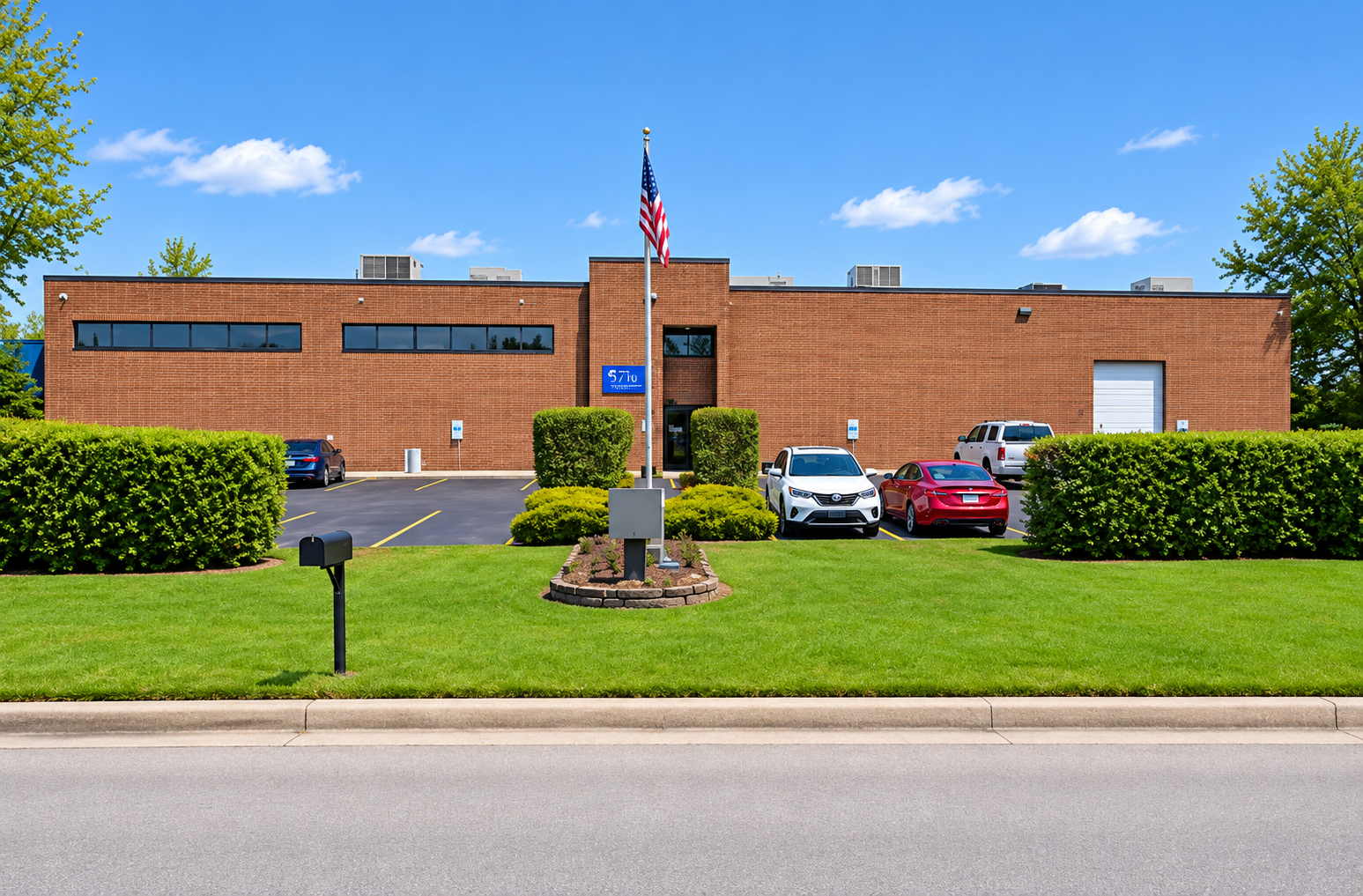
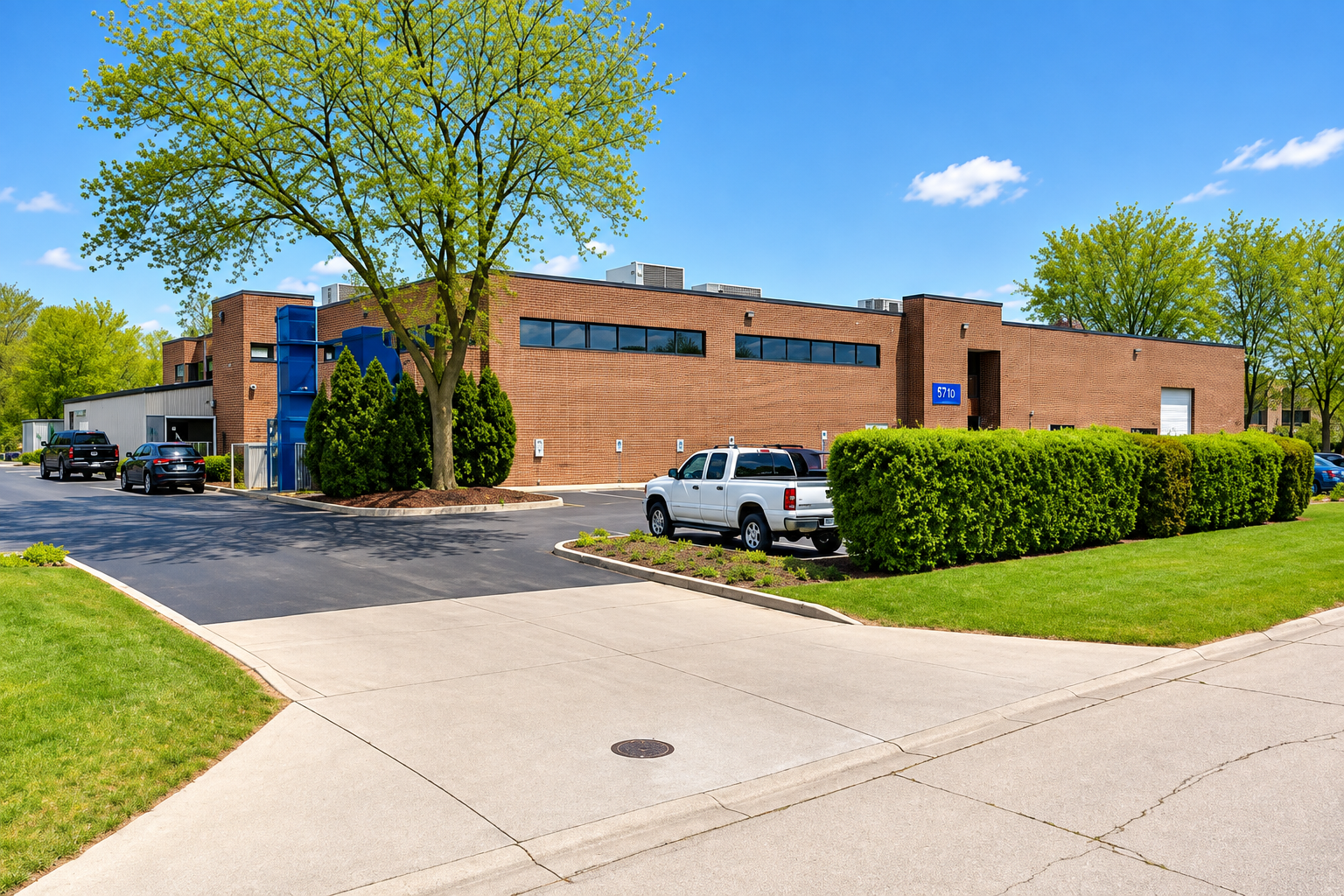
The addition for American Standard Circuits Inc. consists of a 20,000 sq. ft. warehouse facility dedicated to the manufacturing of circuit boards. The mechanical, electrical, and plumbing systems were designed by 3S MEP+S, providing a fully coordinated and efficient building systems solution tailored to the operational requirements of the facility.
The Mechanical team performed detailed heating afnd cooling load calculations for the PCB manufacturing facility to determine the HVAC requirements for the various production, testing, office, and support spaces. The facility included layup rooms, layup preparation and dipping areas, quality control spaces, electric testing departments, multilayer manufacturing areas, maintenance shops, offices, storage rooms, and the plating floor.
Rooftop units (RTUs) were selected and sized to provide temperature control, ventilation, and occupant comfort throughout the office and manufacturing areas. Air distribution systems were carefully designed to provide balanced airflow while accommodating equipment layouts and process requirements. Ventilation rates were established in accordance with applicable mechanical codes and industry standards to maintain indoor air quality and support manufacturing operations.
A significant portion of the mechanical design focused on the plating floor, where process exhaust requirements necessitated the installation of a dedicated make-up air unit (MAU). The MAU was designed to provide conditioned outdoor air during both summer and winter operating conditions, ensuring proper building pressure control and replacement of exhausted air. Roof-mounted exhaust fans were designed and sized to remove process-generated contaminants and comply with code-required exhaust rates. The mechanical systems were coordinated with architectural, structural, and process equipment layouts to ensure efficient operation, serviceability, and constructability.
The Plumbing team designed the domestic water, sanitary waste, and natural gas systems using the existing building utility services. Domestic water and sanitary piping were provided for the new restrooms and support areas in accordance with applicable plumbing codes.
To connect the new restroom addition to the existing sanitary system, a sewage ejector pump was designed to discharge wastewater to the existing sanitary manhole. This approach reduced the complexity of routing new sanitary piping through the existing building and minimized construction impacts.
The natural gas piping system was also designed to serve gas-fired mechanical equipment. Overall, the plumbing design provided a simple, efficient, and cost-effective solution while utilizing the existing utility infrastructure.
A comprehensive electrical scope was developed, including the design of lighting systems and power distribution networks in accordance with the applicable National Electrical Code (NEC) requirements. The lighting layout was designed to provide adequate illumination levels for warehouse and manufacturing operations while optimizing energy efficiency. Lighting control strategies were implemented using occupancy sensors integrated with a Bluetooth Low Energy (BLE) mesh control system, enabling intelligent lighting management and enhanced energy savings.
One of the primary challenges of the project was designing an efficient power distribution system for the 20,000 sq. ft. manufacturing facility while controlling voltage drop and installation costs. Detailed distribution studies were performed, leading to the strategic placement of the electrical room near the center of the building. This configuration minimized feeder and branch-circuit distances, reduced conductor quantities, improved voltage regulation at utilization equipment, and enhanced the overall efficiency of the electrical infrastructure.
Detailed engineering analyses were conducted, including electrical load calculations for proper service and distribution equipment sizing, as well as fault current calculations throughout the distribution system, extending to the rooftop units (RTUs). The fault current study was performed to verify available fault current levels and ensure that all RTUs and associated electrical equipment were provided with adequate Short-Circuit Current Ratings (SCCR) for safe and code-compliant operation. The power distribution system was engineered to support manufacturing equipment loads and facility operations while ensuring reliability, safety, and compliance with NEC requirements.
With all 3S MEP+S projects, a primary focus is on integrating MEP and structural designs with the construction and architectural partners and the end-users to minimize the need for design adjustments or revisions during the construction process. Design teams from 3S MEP+S actively engage with all stakeholders to identify potential conflicts and optimize the overall system layout. Our teams are exceptionally proficient at harmonizing essential building elements for successful outcomes.

3S MEP + S provides integrated MEP, Fire Protection, Fire Alarm, BIM, Energy Modeling, and Structural Engineering services for building projects.
.png)