
.png)


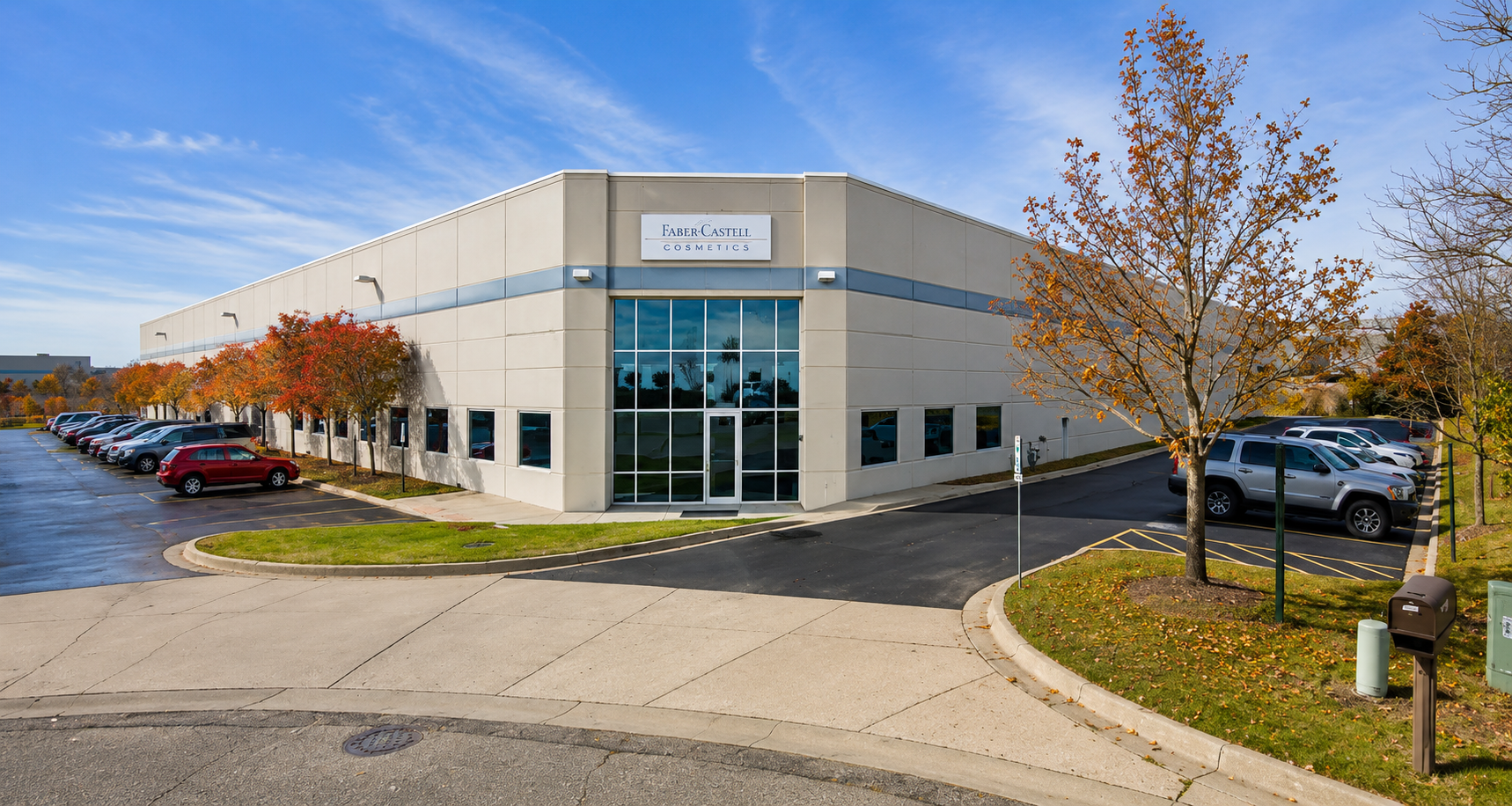
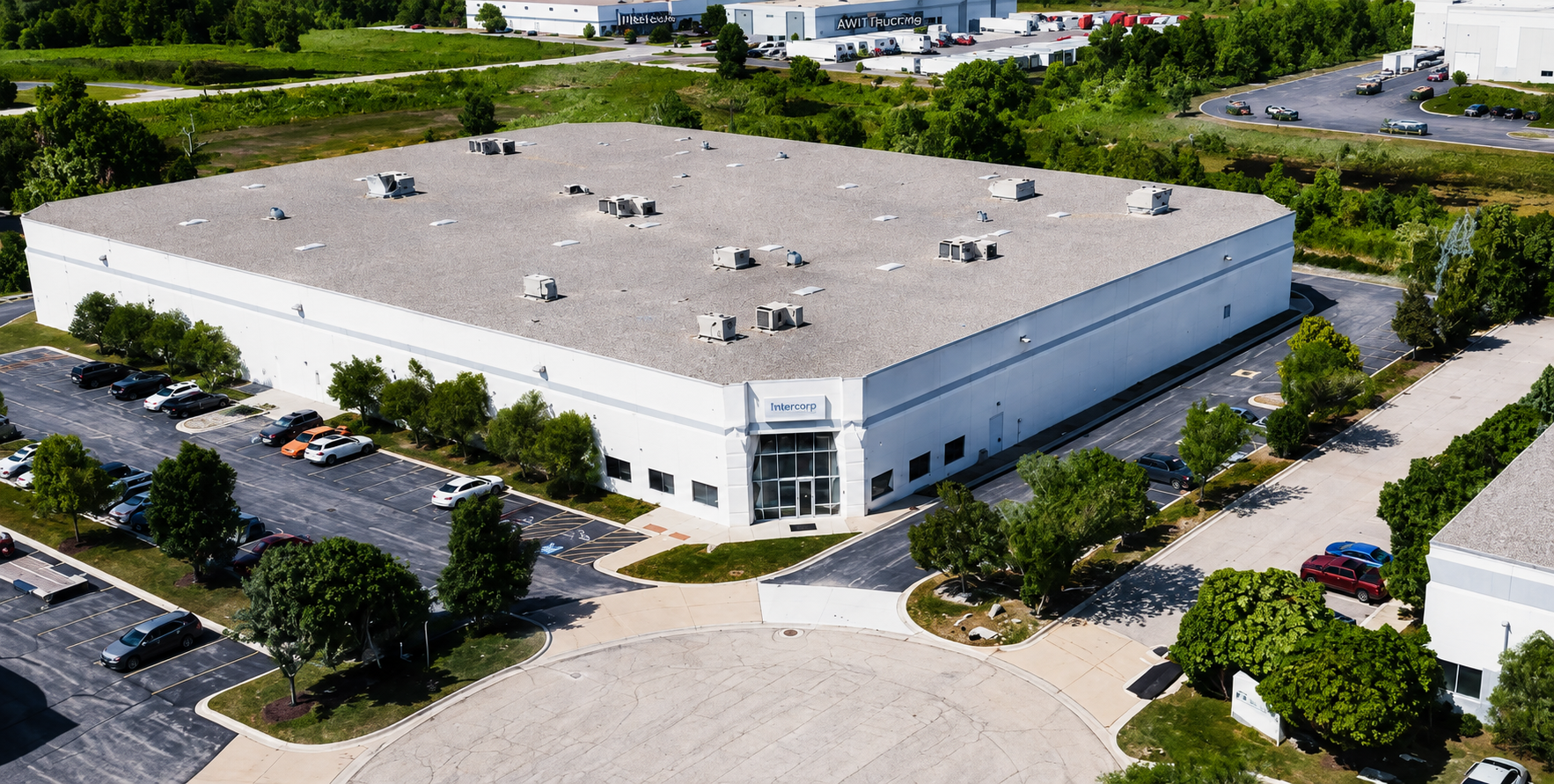
The Faber-Castell project is a cosmetic manufacturing facility with production, formulation, storage, and administrative areas designed to support product quality, controlled environmental conditions, and operational efficiency.
The project provides a high-performance manufacturing environment that supports cosmetic production while meeting safety, hygiene, and regulatory requirements.
3S MEP provided comprehensive MEP design services for the Faber-Castell Project, including HVAC, ventilation, electrical power distribution, and environmental control systems, with a focus on safety, reliability, energy efficiency, and compliance with cosmetic manufacturing requirements.
From an HVAC perspective, the design focuses on cleanroom environments, incorporating advanced cooling and heating systems to maintain strict temperature and air quality requirements essential for cosmetic manufacturing processes.
Room pressurization strategies are implemented to control contamination and ensure proper airflow direction between different classified spaces. These measures help maintain clean-to-less-clean air movement, enhancing product protection and process integrity.
Hazardous room design is carried out in accordance with MAQ (Maximum Allowable Quantity) design parameters, ensuring safe handling, storage, and processing of chemical-based materials commonly used in cosmetic manufacturing.
Detailed sequence of operations is developed to define system control logic and operational performance. Airflow diagrams and Pressurization floor plan are prepared for different categories of rooms to clearly represent supply, return, and exhaust systems, along with pressure relationships across the facility.
One of the primary electrical design challenges for this project was the detailed assessment of the existing electrical utility infrastructure to maximize the use of available power distribution systems for the renovated/newly added areas and equipment. A comprehensive power distribution and lighting control design was developed to satisfy both applicable code requirements and the client's operational needs.
The project involved utilizing existing panels and switchboards to serve renovated/newly added spaces and equipment. This required a thorough evaluation of existing electrical distribution equipment to identify available spare circuits and capacity, ensuring that additional loads could be accommodated without exceeding the existing service ratings.
Coordination with existing breakers was also performed to reuse available circuits for relocated equipment where feasible, while verifying voltage drop compliance.
Another significant challenge was the verification of existing field conditions, including breaker sizes, equipment loads, voltage ratings, and electrical characteristics of both relocated and new equipment. Detailed load analysis and coordination studies were conducted to ensure all equipment was properly served while maintaining compliance with applicable NEC requirements and preserving system reliability and safety.
Our engineering focus was on developing a robust, multi-functional plumbing network capable of supporting both heavy-duty plant operations and sensitive lab-grade processes.
Laboratory Deionized (DI) Water System: To support the analytical laboratory's precise testing requirements, we engineered a specialized Deionized (DI) water system. This system was designed to deliver high-purity water, with careful consideration given to material selection and piping purity to prevent contamination in sensitive lab procedures.
Industrial Sanitary & Vent Systems: We designed a high-capacity sanitary waste and vent network tailored to manage the discharge from manufacturing production lines and facility restrooms. The routing was coordinated to handle the specific drainage requirements of the various production zones while maintaining compliance with industrial building codes.
Domestic Water & Fume Hood Support: A reliable domestic water distribution system was developed to service all sinks, safety stations, and laboratory fume hood requirements. The design ensures consistent pressure and flow to support critical lab equipment and operational cleaning needs.
Gas Piping System: We engineered a safe, high-efficiency gas piping network specifically dedicated to providing fuel supply to the facility's Roof Top Units (RTUs). The piping was sized and routed to prioritize safety, operational efficiency, and strict adherence to industrial gas distribution protocols.
.png)

3S MEP + S provides integrated MEP, Fire Protection, Fire Alarm, BIM, Energy Modeling, and Structural Engineering services for building projects.
.png)