

.png)


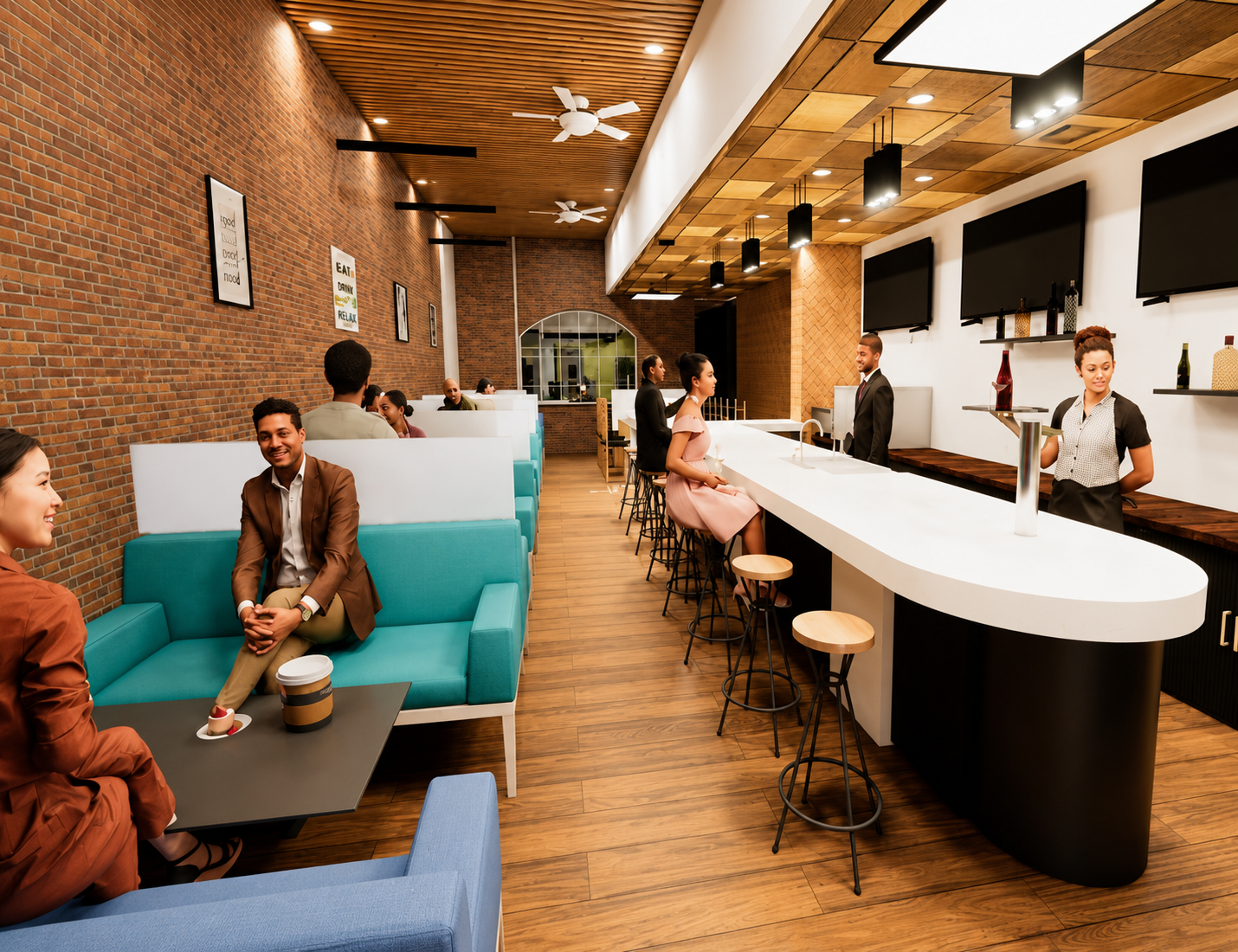
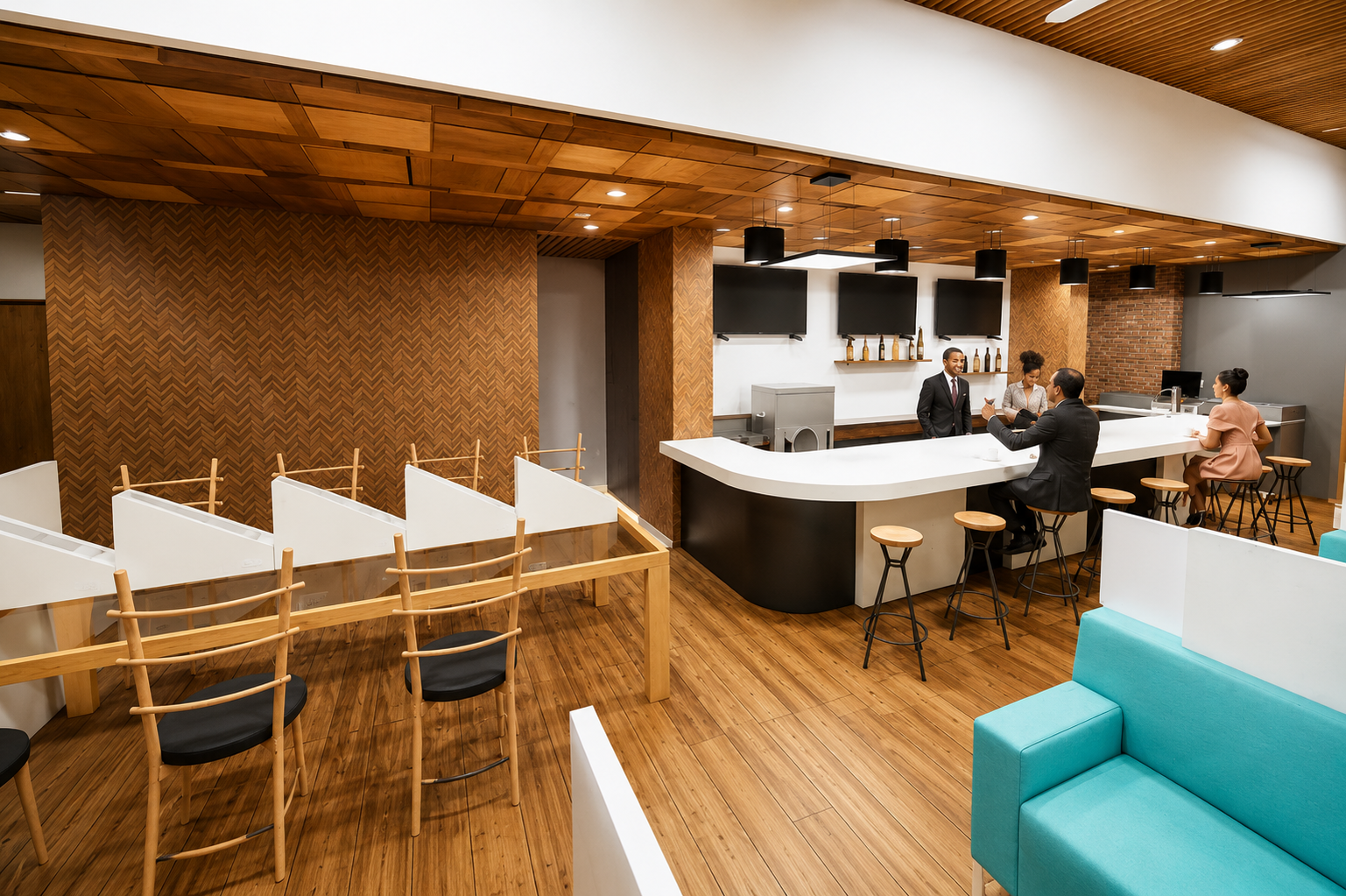
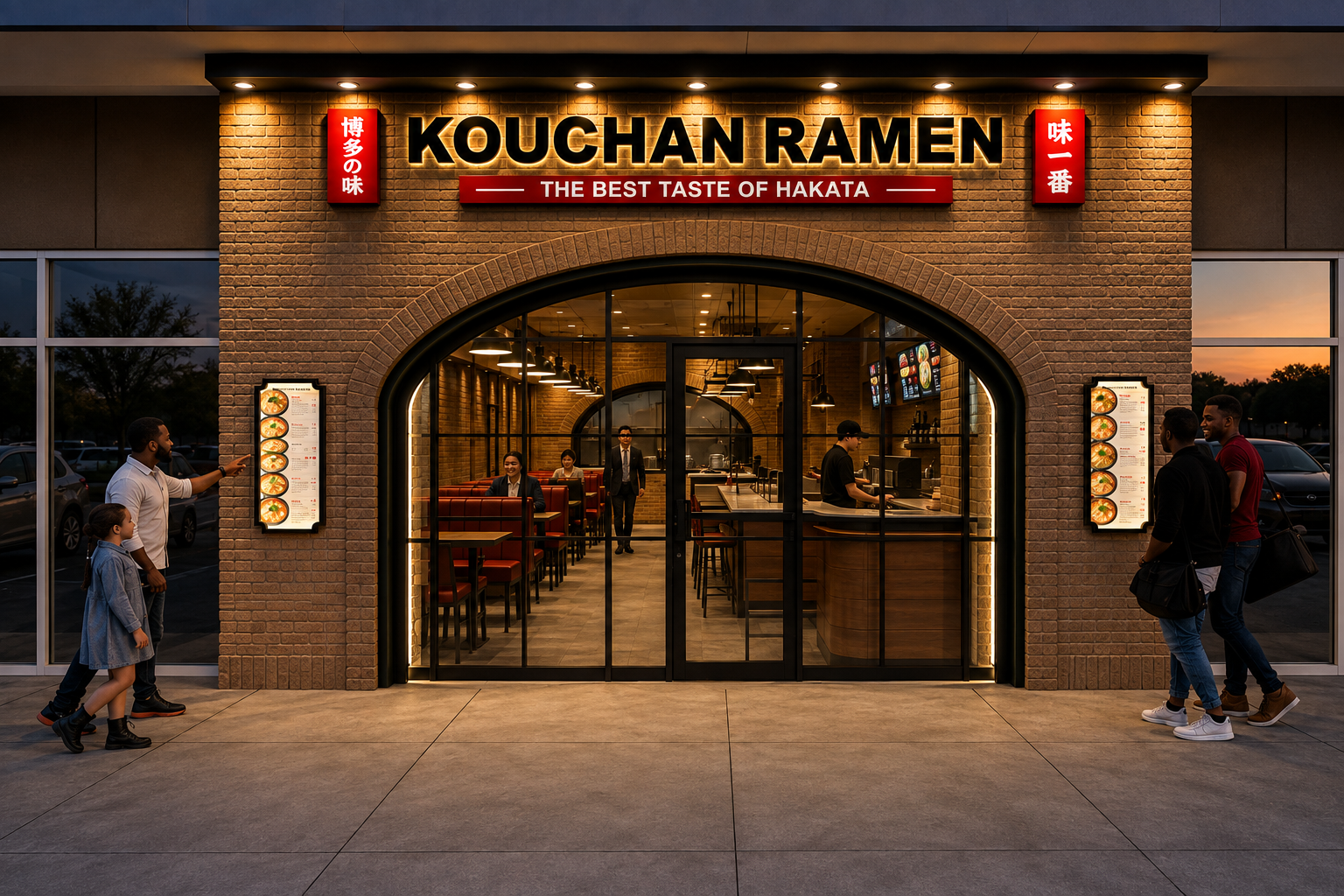
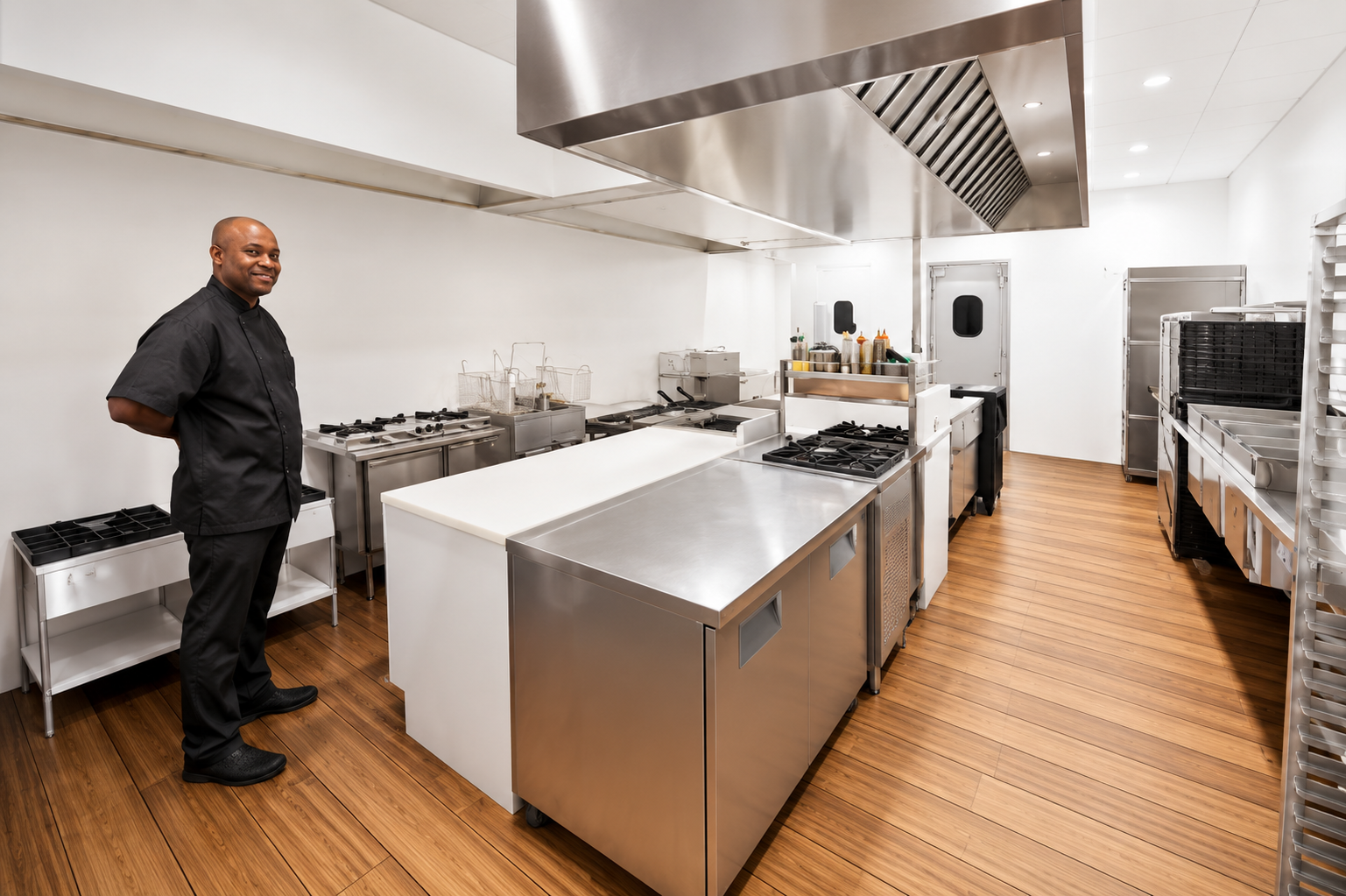
The Ramen Restaurant in Plano TX, is a contemporary dining facility featuring vibrant dining area, open kitchen, bar seating, and dedicated service spaces. The mechanical, electrical, plumbing and structure systems were designed by 3S MEP + Structural, delivering a fully coordinated and efficient building systems solution.
The structural design and analysis of a modern ramen restaurant facility, including the dining area, commercial kitchen, bar seating, storage rooms, and support spaces. Working closely with the architectural and MEP teams, the structural scope included development of framing plans, structural calculations, and coordination of building systems to ensure a safe, efficient, and code-compliant design.
The structural system was evaluated to support architectural features, kitchen equipment loads, rooftop mechanical units, exhaust systems, and specialized restaurant infrastructure. Detailed analysis was performed on roof framing members, beams, columns, and connections to verify structural capacity under dead, live, wind, and equipment loading conditions. Additional reinforcement was incorporated where required to accommodate concentrated loads from rooftop HVAC equipment, kitchen exhaust fans, make-up air units, and grease duct supports.
The mechanical system was designed in accordance with the requirements of the International Mechanical Code (IMC) to provide effective ventilation, temperature control, and indoor air quality throughout the facility. Detailed heat-load calculations were performed to design the kitchen exhaust and makeup air systems and to size and select the rooftop HVAC unit.
A commercial kitchen exhaust system was engineered to capture and remove grease-laden vapors, smoke, heat, and cooking odors directly at the source, maintaining proper airflow balance and preventing contaminants from migrating into dining and occupied spaces. The makeup air system was coordinated with the exhaust system to maintain appropriate building pressurization and ensure efficient operation.
The project also included the design and coordination of a commercial kitchen fire suppression system utilizing equipment listed and labeled in accordance with applicable UL Standards requirements. Close coordination with the kitchen consultant ensured seamless integration of the exhaust hood, fire suppression system, gas piping, and HVAC equipment, resulting in a safe, code-compliant, and energy-efficient mechanical design.
The plumbing systems were designed to support the facility's domestic water, sanitary waste, vent, grease waste, and natural gas requirements. Detailed water-demand calculations were performed to size the piping systems and ensure reliable water distribution throughout the building. The design included the selection and layout of plumbing fixtures, sanitary and vent piping, grease waste infrastructure, and natural gas piping serving the rooftop units (RTUs), water-heating equipment, and other gas-fired appliances.
Special attention was given to the commercial kitchen by designing an energy-efficient hot water generation and recirculation system capable of meeting continuous operational demands for food preparation, warewashing, and sanitation. A dedicated water softener system was incorporated on the kitchen cold-water supply to improve water quality, reduce scale buildup, and enhance the performance and longevity of plumbing fixtures and water-heating equipment. The design also incorporated backflow prevention, pressure regulation, and water-efficiency measures to support system reliability and code compliance.
The electrical scope for this contemporary ramen restaurant involved delivering a fully coordinated construction drawing package for a high-density commercial kitchen, open bar, and vibrant dining area.
The lighting layout and zoning schedules provide flexible ambient control across the dining spaces while maintaining high-visibility illumination in food-prep zones. Emergency egress lighting designated as "Night Lights" was circuited to independent paths for public safety. Simultaneously, the power layout and panel schedules were engineered to manage heavy electrical loads from commercial kitchen appliances, refrigeration networks, warewashing systems, and a specialized water softener, ensuring balanced circuitry across all panels.
A key success was coordinating power feeds, equipment schedules, and code-required clearances within a constrained building footprint. The plans precisely mapped connections for the wall-mounted and island-type exhaust hoods, fire suppression systems, water heaters, and rooftop units (RTUs). By integrating detailed circuiting and equipment specifications into the layout package, the final design eliminated spatial field conflicts and delivered an efficient, construction-ready solution.
3S MEP prioritizes early coordination with architects, contractors, consultants, and end-users to identify potential conflicts, optimize system layouts, and minimize design revisions during construction. This collaborative approach ensures seamless integration of MEP and structural systems, resulting in efficient and successful project delivery.

3S MEP + S provides integrated MEP, Fire Protection, Fire Alarm, BIM, Energy Modeling, and Structural Engineering services for building projects.
.png)