

.png)


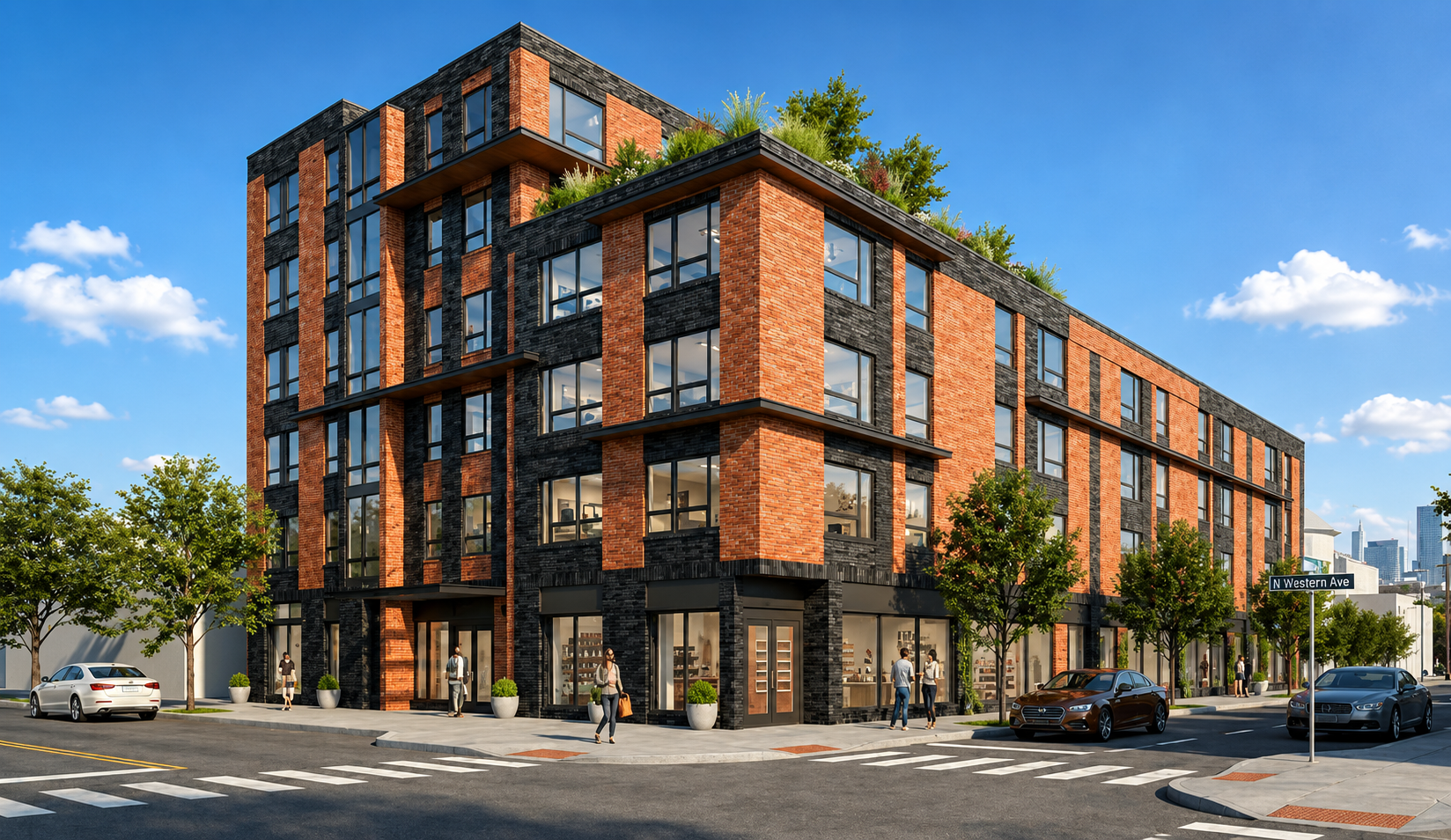
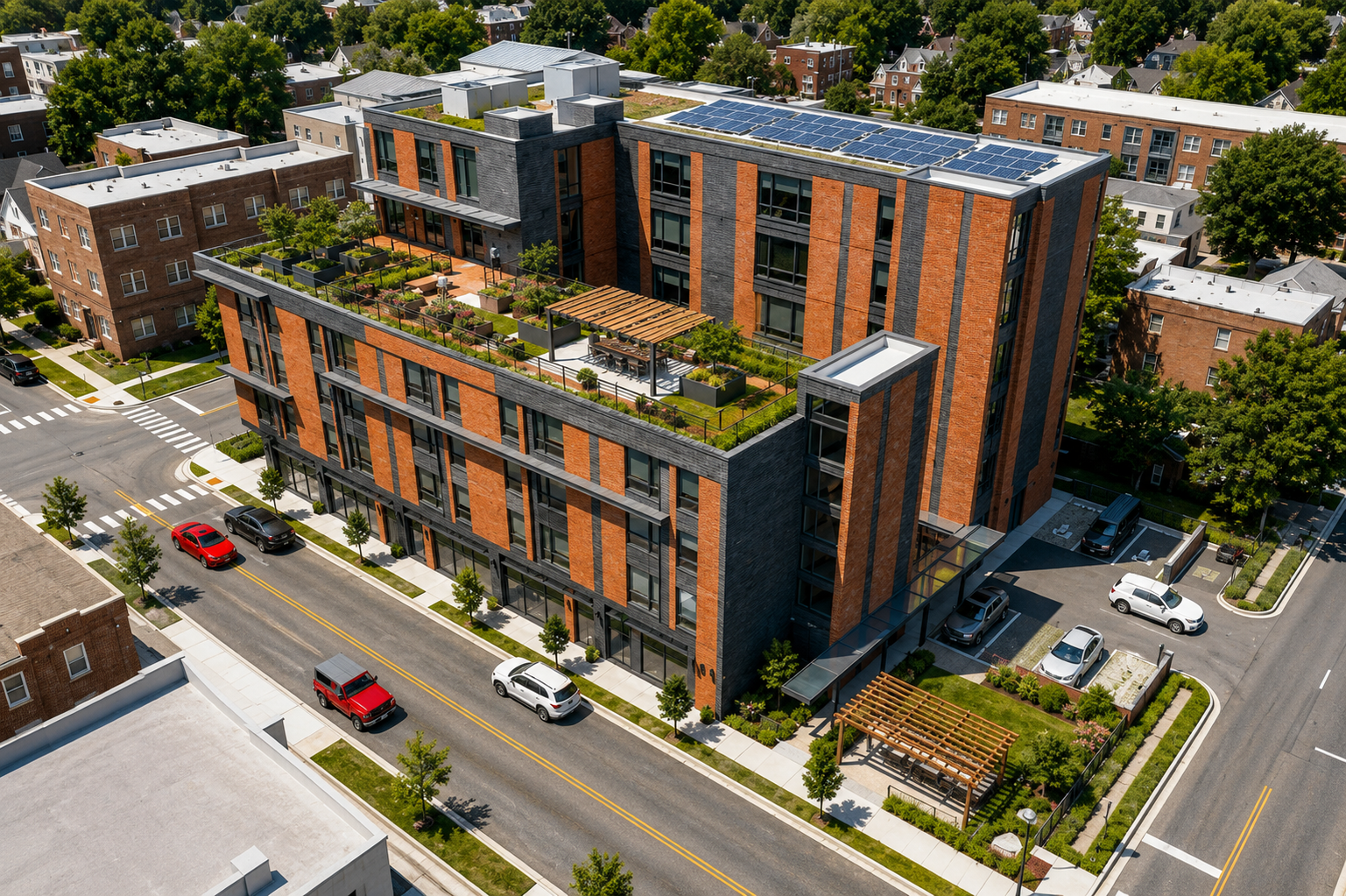
The WBC manor project in Chicago, Illinois involved the provision of comprehensive Mechanical, Electrical, Plumbing, and fire suppression (MEPF) design services by 3S MEP. The project required careful consideration of the functional, operational, and code-compliance needs of the facility.
The Mechanical team performed detailed heating and cooling load calculations for the senior living facility, including resident dwelling units, common areas, offices, corridors, laundry facilities, and support spaces. The HVAC systems were designed to provide year-round comfort, energy efficiency, and code-compliant ventilation for residents and staff.
A key component of the design was the use of vertical packaged heat pumps (VPHPs) serving the individual dwelling units. The units were carefully selected and sized to provide efficient heating and cooling while allowing independent temperature control for residents. Electric baseboard heaters were also provided as supplemental heat during extreme winter conditions to maintain occupant comfort. The facility included a central laundry room, which required dedicated exhaust ventilation in accordance with the Chicago Mechanical Code. To address the exhaust air requirements and maintain proper building pressure, two Dedicated Outdoor Air Systems (DOAS) were incorporated into the design. The DOAS units were designed to provide the required outdoor air ventilation to the dwelling units and common spaces while offsetting the large exhaust airflow from the laundry facility. The DOAS design was a major focus of the project, ensuring proper building pressurization, maintaining indoor air quality, and preventing negative pressure conditions when the laundry exhaust systems were operating. The mechanical systems were carefully coordinated to provide a comfortable, healthy, and energy-efficient environment while meeting all applicable code requirements.
For the plumbing design, 3S MEP developed comprehensive systems for sanitary waste, venting, domestic cold and hot water distribution, hot water recirculation, and storm drainage for a six-story residential building. Detailed plumbing fixture unit and water demand calculations were performed to establish accurate hot and cold water requirements. The scope included pipe sizing and routing design, as well as the selection of plumbing fixtures, booster pumps, elevator sump pumps, and both instantaneous and storage water heaters to ensure code compliance, operational efficiency, and occupant comfort. Key design challenges involved coordinating sanitary, vent, domestic water, and storm drainage piping within limited ceiling and shaft spaces while aligning with architectural and structural constraints. Additional considerations included maintaining adequate water pressure and consistent hot water supply across multiple floors, integrating island vent systems for residential kitchens, and incorporating elevator pit drainage systems. The design also included backflow prevention, pressure regulation, and energy-efficient plumbing strategies in accordance with applicable local and international plumbing codes. Plumbing layouts were closely coordinated with mechanical and electrical systems to deliver a fully integrated and efficient MEP design solution.
One of the primary electrical design challenges for this project was coordinating with the local utility company, ComEd, to establish the electrical service and develop a code-compliant service distribution strategy. Through coordination with the utility provider, the incoming service was divided into three separate sections: the house panel service, residential dwelling unit service, and dedicated fire pump service. The design team also coordinated with the electrical vendor to determine meter center requirements and specifications. Detailed load calculations were performed in accordance with applicable residential NEC requirements, incorporating HVAC equipment, plumbing loads, process equipment, dwelling unit loads, and other connected loads to properly size the service, feeders, and overcurrent protective devices. The electrical scope included the development of detailed power distribution plans, panel schedules, and lighting control systems. Lighting and control designs were coordinated to comply with IECC energy code requirements, including occupancy sensors, lighting controls, and automatic shutoff provisions. Power distribution systems were designed in compliance with all applicable residential NEC requirements while also incorporating a standby generator system to support the operational and life-safety needs of the senior living facility. In addition, the fire pump power distribution and associated electrical infrastructure were designed and coordinated based on the fire protection system requirements to ensure reliable operation of critical life-safety equipment.
Overall, 3S MEP delivered a coordinated and code-compliant MEP design for the WBC manor project, supporting the facility’s present operational needs while allowing flexibility for future growth.

3S MEP + S provides integrated MEP, Fire Protection, Fire Alarm, BIM, Energy Modeling, and Structural Engineering services for building projects.
.png)